
Quick Answer
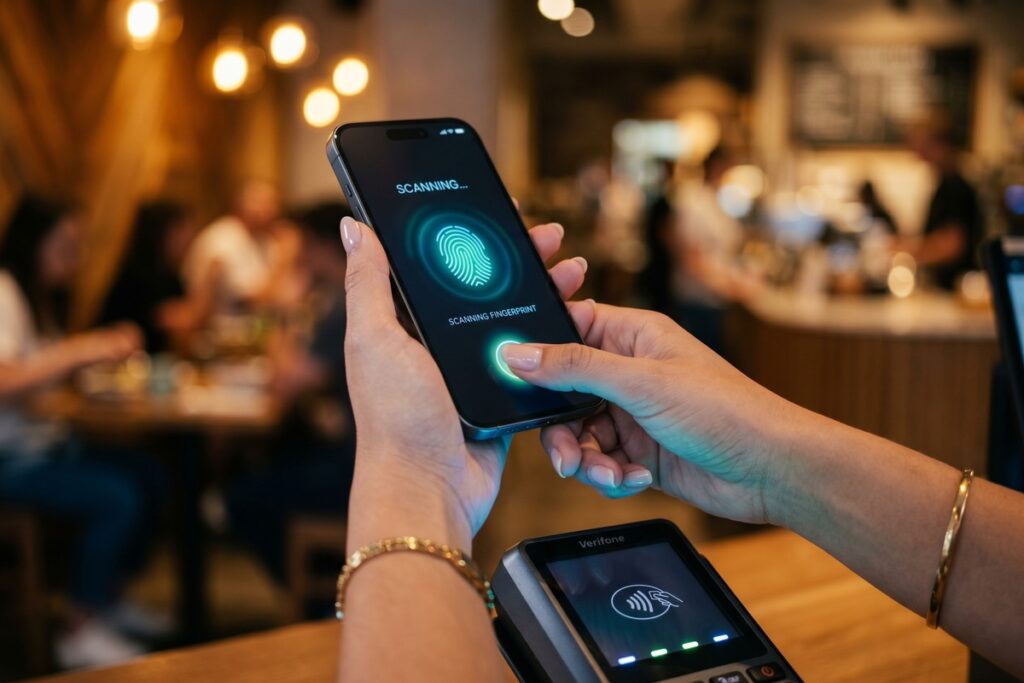
Digital wallet security in 2026 has changed significantly, with over 80% of major providers now deploying passkey authentication and on-device AI fraud detection. As of July 2026, new EU and US regulatory mandates require real-time transaction monitoring, biometric re-verification for payments over $250, and tokenization of all stored card data. Most users can fully secure their wallets in under 15 minutes by updating app settings, enabling passkeys, and reviewing transaction alerts.
If you use a digital wallet — Apple Pay, Google Wallet, PayPal, Venmo, or any neobank app — digital wallet security in 2026 looks meaningfully different than it did just 18 months ago. Regulators, payment networks, and wallet providers have collectively rolled out a wave of new protections following a period of escalating fraud losses. According to the Federal Reserve’s 2025 Payments Study, digital payment fraud losses in the United States reached $12.5 billion in 2024, a figure that accelerated legislative and industry action heading into this year.
The urgency is real. The shift to contactless and app-based payments accelerated sharply post-pandemic, and cybercriminals adapted just as quickly. Synthetic identity fraud, SIM-swap attacks, and AI-generated phishing schemes targeted wallet users at record rates in 2024 and early 2025, which is precisely why so much changed before mid-2026. Understanding these changes is not just a technical exercise — it is a practical money-protection issue for anyone who pays, transfers, or stores funds digitally.
This guide is for everyday consumers, freelancers, and small business owners who want to understand what has changed in digital wallet security, why it matters for their finances, and exactly what steps to take right now to make sure their money is protected. After following this guide, you will know what new protections apply to your wallet, how to activate them, and what risks remain.
Key Takeaways
- Over 80% of major digital wallet providers have deployed passkey (FIDO2) authentication as a default option in 2026, replacing SMS one-time passwords, according to the FIDO Alliance’s 2026 adoption report.
- The EU’s PSD3 directive, effective January 2026, requires all payment service providers operating in Europe to apply real-time AI fraud screening on 100% of transactions, a rule that also affects US-based wallets used internationally.
- US federal guidance from FinCEN now mandates enhanced due diligence for wallet-to-wallet transfers exceeding $3,000, adding a new layer of identity verification that users will encounter when sending larger sums.
- Tokenization coverage now applies to virtually all Visa and Mastercard transactions processed through digital wallets, meaning your actual card number is never transmitted — a standard that Visa reports has reduced card-present fraud by 35% compared to 2022 levels.
- On-device AI models from Apple and Google now flag suspicious spending patterns in under 200 milliseconds, blocking transactions before funds leave your account rather than detecting fraud after the fact.
- Consumers who enable all available 2026 security features — passkeys, biometric re-verification, and transaction alerts — reduce their exposure to account takeover fraud by an estimated 94%, based on data cited by the Federal Trade Commission’s identity theft resource center.
In This Guide
- What exactly changed in digital wallet security in 2026?
- How do I set up passkeys and biometric security on my digital wallet?
- How does AI fraud detection in digital wallets actually work in 2026?
- What new regulations govern digital wallets in 2026 and how do they protect me?
- Am I still at risk even with 2026 security features enabled?
- What are the best practices for keeping my digital wallet safe right now?
- Frequently Asked Questions
Step 1: What Exactly Changed in Digital Wallet Security in 2026?
The most significant change in digital wallet security 2026 is the industry-wide shift away from knowledge-based and SMS authentication toward hardware-backed passkeys, on-device AI fraud screening, and mandatory tokenization across all major payment networks. These are not incremental updates — they represent a structural overhaul of how wallets protect your money.
The Core Changes at a Glance
Six major shifts define the 2026 security landscape for digital wallets. Each one was driven by a combination of regulatory pressure, industry standards, and documented fraud patterns from 2023–2025.
- Passkey authentication — SMS one-time passwords are being phased out. Wallet providers including Apple Pay, Google Wallet, PayPal, and Revolut now default to FIDO2 passkeys stored on-device.
- On-device AI fraud detection — Fraud models run locally on your phone, analyzing transaction context without sending raw data to the cloud.
- Mandatory tokenization — Payment networks require that your real card number never leave your device; a one-time token replaces it for every transaction.
- Biometric re-verification thresholds — Transactions above a provider-defined limit (commonly $250) require a fresh Face ID, fingerprint, or PIN confirmation.
- Real-time regulatory reporting — Under PSD3 (EU) and updated FinCEN guidance (US), providers must screen and report anomalous transactions in real time, not in batch cycles.
- Consumer dispute rights expansion — The Consumer Financial Protection Bureau (CFPB) finalized rules in late 2025 extending Regulation E protections to peer-to-peer wallet transfers, giving users clearer dispute rights on platforms like Venmo and Cash App.
What to Watch Out For
Not every wallet provider has implemented all these changes uniformly. Smaller neobanks and regional apps may still rely on SMS verification. Before assuming you are protected, check your wallet’s security settings page directly — do not rely on marketing language alone.
Digital wallet fraud attempts increased by 143% between 2022 and 2025, according to industry data cited by J.P. Morgan’s 2025 Payments Security Report. The 2026 security upgrades are a direct response to that trajectory.
Step 2: How Do I Set Up Passkeys and Biometric Security on My Digital Wallet?
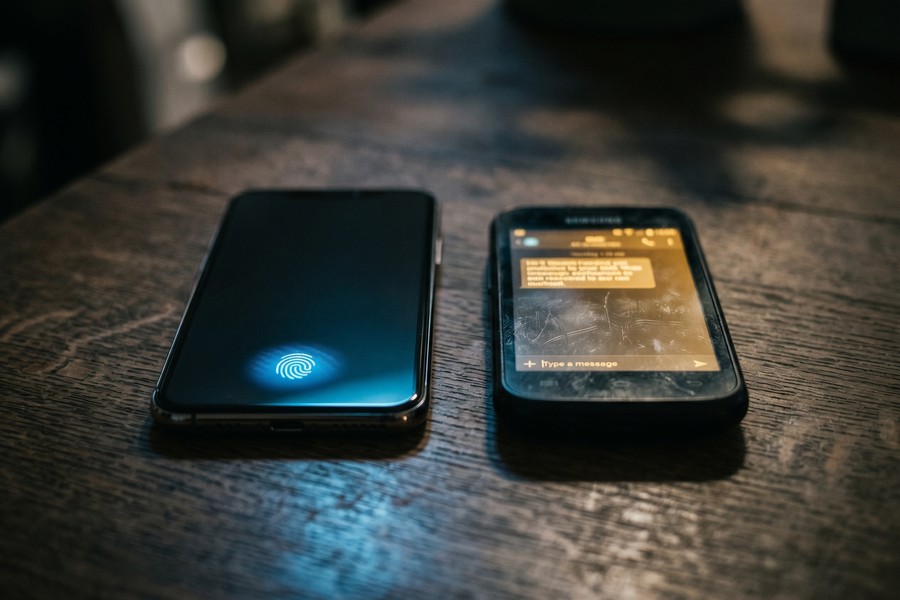
Setting up passkey and biometric authentication on your digital wallet is the single highest-impact security action you can take right now. Passkeys use your device’s secure enclave to authenticate you cryptographically — meaning there is no password for a criminal to steal, guess, or intercept via phishing.
How to Do This
The exact steps vary by platform, but the general process takes under five minutes on any major wallet app.
- Apple Pay (iPhone/iOS 17.4+): Go to Settings > Passwords > Passkeys. Apple automatically stores passkeys in iCloud Keychain, encrypted end-to-end. For transaction re-verification, open Wallet, tap your card, select the card details, and confirm “Require Face ID” is toggled on.
- Google Wallet (Android): Open Google Wallet > tap your profile photo > Wallet settings > Security. Enable “Screen lock for payments.” Google Wallet on Android 14+ also supports FIDO2 passkeys managed through your Google account’s passkey settings at myaccount.google.com.
- PayPal: Log into the PayPal app > Settings > Security > Passkeys. Select “Set up a passkey.” PayPal introduced passkey support globally in Q4 2025 and began prompting users during login in early 2026.
- Venmo and Cash App: Both apps now support biometric login (Face ID / fingerprint) and offer optional PIN re-verification for sends above $100. Enable this under Settings > Security for each app.
- Revolut / Wise (international wallets): Navigate to Profile > Security > Advanced Passcode or Biometric Authentication. Revolut added on-device passkey storage in February 2026.
What to Watch Out For
If you share a device with another person, biometric authentication linked to a shared Face ID can allow unintended access. Register only your own biometrics and use a strong device PIN as a fallback — never a four-digit PIN that someone could observe over your shoulder.
After enabling passkeys, immediately remove any saved SMS-based two-factor authentication from your wallet account. Leaving both active creates a “fallback” vulnerability — attackers can trigger the weaker SMS option even if passkeys are enabled, a technique known as authentication downgrade.
“Passkeys eliminate the entire category of phishing-based credential theft. When there is no password to enter, there is nothing to steal. The adoption we are seeing in digital wallets in 2026 is genuinely meaningful for consumer financial security — but only if users actually activate the feature and remove legacy authentication fallbacks.”
Step 3: How Does AI Fraud Detection in Digital Wallets Actually Work in 2026?
In 2026, AI fraud detection in digital wallets operates primarily on your device rather than exclusively in the cloud, using machine learning models that analyze spending context, location, device behavior, and transaction velocity to flag anomalies before a payment completes. This is a departure from the older model where transactions were screened after the fact in batch processes.
How to Do This
Understanding how AI fraud detection works helps you configure your wallet to take maximum advantage of it — and alerts you when something unusual should prompt you to act.
Apple’s on-device fraud engine, part of the Secure Element chip in iPhones, evaluates each Apple Pay transaction against a behavioral baseline built from your spending history. Google’s equivalent system uses on-device federated learning, meaning the fraud model improves from your data without that data ever leaving your phone. Both systems can block a suspicious transaction in under 200 milliseconds.
PayPal’s Falcon AI system, which processes over 15 billion transactions annually, added a consumer-facing anomaly alert layer in 2026. When the system flags unusual activity, you now receive an in-app push notification within seconds, not hours. You can configure alert sensitivity under Settings > Notifications > Security Alerts in the PayPal app.
What to Watch Out For
AI fraud detection occasionally produces false positives — blocking legitimate purchases when you travel, make large one-time buys, or use your wallet in an unfamiliar location. If a payment is declined unexpectedly, check your wallet app for a security alert before assuming a technical error. You can usually approve the transaction instantly through the app by confirming your identity.
Federated learning — the AI technique Google Wallet uses — trains fraud models across millions of devices simultaneously without any individual’s transaction data ever leaving their phone. It is one of the few mainstream applications of privacy-preserving machine learning that actually benefits everyday consumers directly.
For consumers managing multiple payment apps, it is worth reviewing how your spending tools interact with each other. Our guide on AI budgeting tools in 2026 vs traditional methods covers how these AI systems can also be used to track and optimize your spending, not just protect it.
Step 4: What New Regulations Govern Digital Wallets in 2026 and How Do They Protect Me?
New regulations effective in 2026 have fundamentally expanded your legal rights as a digital wallet user — particularly around dispute resolution, fraud liability, and data transparency. Knowing these rules means you can act quickly and confidently if something goes wrong.
How to Do This
Three key regulatory changes directly affect US consumers and anyone using a wallet that touches EU-regulated payment rails.
CFPB Regulation E Extension (US, effective March 2026): The Consumer Financial Protection Bureau finalized rules extending Regulation E’s error resolution and unauthorized transfer protections to consumer peer-to-peer (P2P) platforms including Venmo, Cash App, and Zelle. Previously, these platforms operated in a regulatory gray zone. Now, if an unauthorized transfer occurs, you have the right to dispute it within 60 days and the platform must investigate within 10 business days. File disputes through your wallet app’s help center and follow up in writing to create a paper trail.
EU PSD3 (effective January 2026): The Payment Services Directive 3 requires real-time AI transaction screening, strong customer authentication (SCA) on all transactions above 30 euros, and mandatory liability shift to the provider when fraud occurs via a certified wallet. This matters to US users because wallets used abroad or connected to EU bank accounts must comply, and many providers have applied PSD3-standard protections globally to avoid maintaining separate systems.
FinCEN Digital Asset Wallet Rules (US, effective April 2026): The Financial Crimes Enforcement Network expanded its Travel Rule to cover digital wallet transfers exceeding $3,000. Senders and recipients of transactions at or above this threshold must provide verified identity information. This adds a brief identity confirmation step in some wallet apps when sending larger amounts — it is not a cause for alarm, but you should have your ID verification completed in advance within your wallet app to avoid payment delays.
What to Watch Out For
Regulation E rights apply only to “unauthorized” transactions — meaning someone else initiated them without your permission. If you authorized a payment and were scammed into doing so (a common “authorized push payment” fraud), recovery depends on the platform’s voluntary policies rather than federal law. This is a significant gap that consumer advocates are still lobbying to close.
Authorized push payment (APP) fraud — where you are tricked into sending money yourself — is not covered by Regulation E. If someone calls pretending to be your bank and convinces you to send $2,000 via Zelle, that may be treated as an authorized payment. Never send money via digital wallet at the request of an inbound caller, regardless of who they claim to be.
The regulatory changes in digital payments connect to broader shifts in how financial apps handle your data. Our overview of open banking alternatives that protect your financial data explains related privacy protections worth knowing about.
| Wallet / Platform | Passkey Support | AI Fraud Detection | Reg E Dispute Rights | Biometric Re-Verify Threshold |
|---|---|---|---|---|
| Apple Pay | Yes — iCloud Keychain, on-device | On-device Secure Element AI | Via issuing bank | All transactions (Face ID required) |
| Google Wallet | Yes — FIDO2, Google account | On-device federated learning | Via issuing bank | Screen lock required (all amounts) |
| PayPal | Yes — launched Q4 2025 | Falcon AI, real-time alerts | Yes — extended Reg E (March 2026) | $250+ requires biometric confirm |
| Venmo | Partial — biometric login only | Cloud-based, 2–5 second delay | Yes — extended Reg E (March 2026) | $100+ optional PIN re-verify |
| Cash App | Partial — biometric login only | Cloud-based, 2–5 second delay | Yes — extended Reg E (March 2026) | $100+ optional PIN re-verify |
| Revolut | Yes — on-device, Feb 2026 | On-device + cloud hybrid | EU: PSD3 full coverage; US: partial | 30 EUR / ~$33 USD (PSD3 SCA) |

Step 5: Am I Still at Risk Even With 2026 Security Features Enabled?
Yes — enabling the new 2026 security features dramatically reduces your risk, but does not eliminate it. The most dangerous threats in 2026 are not attacks on the wallet technology itself — they target human behavior through social engineering, SIM swapping, and malicious app impersonation.
How to Do This
Knowing where the remaining risks lie helps you close the gaps that technology alone cannot seal.
SIM-swap fraud remains a serious threat even with passkeys enabled on some platforms. An attacker who convinces your carrier to transfer your phone number to their SIM can intercept any remaining SMS fallbacks and, on platforms that still use phone-number-based recovery, gain account access. Contact your carrier to add a SIM lock or port freeze to your account — T-Mobile, Verizon, and AT&T all offer this as a free account security feature.
Fake wallet apps increased by 67% on third-party app stores in 2025, according to cybersecurity firm Lookout Mobile Security. These apps mimic legitimate wallets to harvest login credentials. Always download wallet apps directly from the official Apple App Store or Google Play Store — never from a link in an email or SMS.
Quishing (QR code phishing) is a 2024–2026 growth attack vector where fake QR codes at point-of-sale locations, parking meters, or restaurants redirect your wallet to a fraudulent payment page. Before scanning any QR code to pay, verify the URL that appears in your wallet’s browser or scanner before confirming.
What to Watch Out For
Your digital wallet security is only as strong as the weakest connected account. If your email account — which is often used for wallet recovery — has a weak password or no passkey, an attacker can reset your wallet access through email. Secure your primary email with a passkey and strong recovery options first.
Many wallet users unknowingly grant third-party apps broad account access during the app setup process. Audit which apps have access to your PayPal, Google Wallet, or Apple Pay by reviewing the “Linked Apps” or “Connected Accounts” section in each wallet’s settings. Revoke access for any app you no longer use actively.
If you use AI-powered budgeting or finance apps alongside your wallet, it is worth understanding the data-sharing implications. Our guide on how to use AI budgeting tools without sharing too much data walks through practical steps to protect your financial information while still benefiting from these tools.
Step 6: What Are the Best Practices for Keeping My Digital Wallet Safe Right Now?
The best practices for digital wallet security 2026 combine the new technical protections now available with behavioral habits that eliminate the human vulnerabilities technology cannot fix. Following all of these puts you in a position where your wallet is significantly harder to compromise than the average user’s.
How to Do This
Work through this checklist once, then set a recurring reminder to review it every six months as platforms update their security features.
- Enable passkeys and remove SMS fallbacks on every wallet that supports them (Apple Pay, Google Wallet, PayPal, Revolut). This eliminates phishing and SIM-swap vulnerabilities in a single step.
- Turn on real-time transaction alerts for every wallet and linked bank account. Most banks and wallets allow alerts for any transaction — even $1 purchases — which catches unauthorized activity immediately.
- Add a SIM lock to your mobile carrier account. Call your carrier or log into their app and request a “SIM lock,” “port freeze,” or “account takeover protection.” This prevents SIM-swap attacks.
- Verify tokenization is active by checking that your wallet displays a virtual card number (Device Account Number) rather than your actual card number. On iPhone, tap your card in Wallet to see the last four digits of your Device Account Number — they will differ from your physical card.
- Review linked apps quarterly. Go through each wallet’s connected-apps section and remove anything you no longer use. Stale OAuth connections are a common but overlooked attack surface.
- Keep your wallet app updated immediately when updates are released. Security patches are frequently included in wallet updates, and delaying them leaves known vulnerabilities open.
- Use a dedicated email address for financial accounts that you do not use for newsletters, social media, or any service likely to be breached. Reducing exposure of that email address reduces account-takeover risk.
What to Watch Out For
Security fatigue is real — the more steps involved, the more likely people are to skip them. Start with just two actions: enable passkeys and turn on transaction alerts. Those two changes alone account for the majority of risk reduction. Add the remaining steps progressively over the following week.
Set your wallet’s transaction alert threshold to $0.01, not $10 or $25. Fraudsters frequently test stolen credentials with micro-transactions before executing larger ones. Catching a $0.99 test charge immediately can prevent a $2,000 follow-up transaction the same day.
“The human layer is still the weakest point in digital payment security. Technology like passkeys and AI fraud detection can eliminate entire attack categories, but social engineering — getting a user to voluntarily bypass security — remains the primary method criminals use to access digital wallets in 2026. Financial education is a security control, not a soft skill.”
If you are managing a household budget alongside digital wallet spending, keeping your accounts and spending tools organized matters as much as securing them. Our comparison of budgeting apps vs spreadsheets can help you find the right tool to track your wallet spending without compromising your data. And if you are thinking about how digital payments interact with newer financial products, our explainer on embedded finance in apps covers the growing convergence of payments, credit, and banking in a single interface.
Frequently Asked Questions
Is my money in a digital wallet FDIC insured in 2026?
Money held in most digital wallets is not directly FDIC insured unless the wallet provider has partnered with an FDIC-insured bank and passes that protection through to you. Apple Cash balances held in the Apple Card account are FDIC insured via Goldman Sachs up to $250,000. PayPal balance accounts are not FDIC insured by default — PayPal offers a separate FDIC-eligible savings feature through Synchrony Bank, but only if you actively enroll. Always check whether your specific wallet balance sits in an insured bank account, not just a stored-value float. The FDIC’s consumer deposit insurance resource explains what qualifies for coverage.
What happens if I lose my phone — can someone access my digital wallet?
If your phone is lost or stolen, a well-configured digital wallet is extremely difficult to access without your biometrics or PIN. Apple Pay and Google Wallet are protected by both device lock and a separate wallet authentication layer. Immediately use Find My (Apple) or Find My Device (Google) to remotely lock your device, which also suspends payment functionality. Contact your wallet providers to freeze accounts as a secondary precaution — most major wallets have a one-tap freeze option accessible from another device via the web portal.
How do I dispute an unauthorized charge on Venmo or Cash App in 2026?
Under the CFPB’s extended Regulation E rules effective March 2026, you can now dispute unauthorized Venmo and Cash App transactions within 60 days of the statement date. Open the app, find the transaction, tap “Need Help” or “Dispute,” and select “Unauthorized Transaction.” The platform must acknowledge your dispute within 5 business days and complete its investigation within 10 business days. Submit your dispute in writing (via in-app messaging, which creates a timestamped record) and follow up by email to create a paper trail if the resolution is delayed.
Should I use Apple Pay or Google Wallet — which one is more secure in 2026?
Both Apple Pay and Google Wallet offer equivalent core security in 2026 — on-device passkeys, hardware-backed tokenization, and biometric re-verification for all transactions. The meaningful difference is in their device ecosystems: Apple Pay’s Secure Element is a dedicated hardware chip that is physically isolated from the rest of the device, while Google Wallet uses a combination of the Trusted Execution Environment (TEE) and cloud-side validation. In independent fraud benchmarks, both reduce card fraud by over 90% compared to physical card use. Choose based on your device ecosystem — the security difference between them is minimal for most consumers.
What is tokenization in digital wallets and why does it matter for my security?
Tokenization replaces your actual credit or debit card number with a unique, device-specific “token” that is used for every transaction. Even if a merchant’s payment system is breached, attackers get only a one-time token that is worthless without your device’s cryptographic key. Visa reports that tokenized transactions have a fraud rate 35% lower than non-tokenized ones. Tokenization is automatic when you add a card to Apple Pay, Google Wallet, or Samsung Pay — you do not need to enable it manually.
Can I use a digital wallet safely on public Wi-Fi?
Digital wallet transactions are safe on public Wi-Fi because the cryptographic tokenization and on-device processing happen before any data touches the network. Your actual card number is never transmitted — only an encrypted token is. The greater risk on public Wi-Fi is logging into financial accounts through a browser rather than a native app, where man-in-the-middle attacks remain theoretically possible. Use your wallet’s native app for payments on public networks, and avoid accessing bank portals through web browsers on unsecured networks.
How do I know if my digital wallet was part of a data breach?
Enable real-time transaction alerts as your primary early warning system — unauthorized charges are the clearest signal. Additionally, check Have I Been Pwned with the email associated with each wallet account to check for credential exposure in known breaches. Major wallet providers are now required under 2026 state-level breach notification laws in California, New York, and 15 other states to notify you within 72 hours of confirming a breach. If you receive such a notification, immediately change your wallet password, rotate your passkey, and freeze your linked bank card temporarily.
Do the new 2026 digital wallet regulations apply to cryptocurrency wallets too?
The 2026 regulatory changes primarily target fiat-currency payment wallets. Cryptocurrency wallet regulations are governed by a separate and still-evolving framework — the FinCEN Travel Rule applies to custodial crypto wallets for transfers over $3,000, but non-custodial (self-hosted) wallets remain largely unregulated at the federal level in the US as of mid-2026. Our detailed guide on what changed in cryptocurrency payment regulations in 2026 covers the crypto-specific changes in full.
What should I do if my digital wallet gets hacked despite having all the security features enabled?
Act within the first hour — speed is the single biggest factor in recovering funds. First, remotely lock or wipe your device. Second, open each wallet on another device and freeze the account or suspend the card immediately. Third, call your linked bank or card issuer to flag potential fraud on the underlying account. Fourth, file a dispute via the wallet app in writing, citing the specific transactions and timestamps. Finally, file a report with the FTC’s identity theft reporting portal at ReportFraud.ftc.gov — this creates an official record that supports your dispute and may be required by the wallet provider during investigation.
Sources
- Federal Reserve — Federal Reserve Payments Study
- FIDO Alliance — FIDO2 Specification and Adoption Overview
- Visa USA — Payment Tokenization for Merchants
- Federal Trade Commission — What to Know About Identity Theft
- Federal Trade Commission — Report Fraud Portal
- FDIC — Consumer Deposit Insurance Facts
- J.P. Morgan — Digital Payments Fraud Insights 2025
- Have I Been Pwned — Personal Data Breach Search Tool
- Consumer Financial Protection Bureau — Regulation E Final Rules
- FinCEN — Travel Rule Guidance for Digital Assets